The alcohol abrasion testing machine, as an important testing equipment in the field of modern materials science, plays a crucial role in evaluating the abrasion resistance of material surfaces, coating quality, and the durability of materials under specific environmental conditions.
The alcohol abrasion testing machine is mainly used for abrasion testing of product surfaces. It is suitable for MP3 players, CD players, laptops, and various surface-coated samples, as well as for testing the friction resistance and wear life of various product surfaces and printed surfaces. It is also known as a multi-functional alcohol, rubber, and pencil friction testing machine.
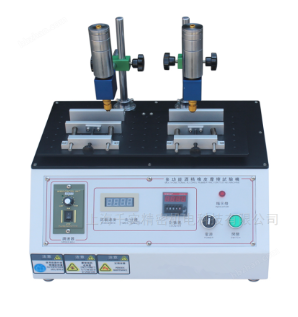
It features adjustable speed and stroke; it can display the current test speed and the number of test cycles; it has a multi-functional counter that can preset the required number of tests, and automatically stops after reaching the preset number of cycles.
The working principle of the alcohol abrasion testing machine is based on simulating the process of friction and wear that occurs when the material surface comes into contact with liquids such as alcohol during actual use. During the test, the machine controls parameters such as load, speed, and time to make the test sample undergo reciprocating or rotational motion in an alcohol solution, thus simulating the contact and friction between the material surface and the liquid during actual use. By observing and measuring the changes in the sample surface before and after the test, the abrasion resistance of the material can be evaluated.
To ensure a standardized testing process and accurate and reliable results during alcohol abrasion testing, the following key operating points must be carefully considered:
Selection of Test Parameters
The rational setting of test parameters is fundamental to obtaining accurate test results. In practical operation, key parameters such as load, speed, and time must be precisely selected according to specific needs. For example, to simulate the wear resistance of a product in frequent use scenarios, the load can be appropriately increased, and the speed can also be increased accordingly; to simulate the slow wear of a product over a long period, the time parameter can be extended. By precisely selecting these parameters, it is possible to effectively simulate various wear conditions that the product faces during actual use, thus ensuring that the test results truly reflect the product's wear resistance performance and provide a strong basis for product improvement and optimization.
Sample Preparation
The quality of test sample preparation has a crucial impact on the accuracy of the test results. It is essential to ensure that the test sample surface is flat and smooth, without any scratches, unevenness, or impurities. These surface defects may affect the contact and friction between the alcohol and the sample surface during the test, thereby interfering with the test results. For example, scratches on the sample surface may become stress concentration points, leading to wear conditions different from those in actual use. Therefore, during sample preparation, fine processing techniques and strict inspection standards should be used to carefully treat and inspect the sample surface. Only samples that meet the requirements can be used for testing.
Selection of Alcohol Solution
The concentration and type of alcohol solution should be closely matched to the actual use environment. Different products come into contact with different concentrations and types of alcohol in actual use. For example, some electronic products may only come into contact with low-concentration medical alcohol, while some industrial products may face corrosion from high-concentration industrial alcohol. Therefore, in the test, the appropriate concentration and type of alcohol solution should be precisely selected according to the actual use scenario of the product, to simulate the working environment of the product as realistically as possible, making the test results more practically relevant.
Instrument Calibration
The precision and accuracy of the testing machine are key factors in ensuring the reliability of the test results. Regular and thorough calibration of the testing machine is essential. During the calibration process, professional calibration equipment and standard instruments should be used, and the performance indicators of the testing machine should be tested and adjusted according to strict calibration procedures and specifications. For example, the load sensor is calibrated to ensure that the measured load values are accurate; the speed control device is calibrated to ensure that the speed during the test is stable and meets the set requirements. Only accurately calibrated testing machines can provide reliable data support for the tests.
Data Analysis
The analysis and processing of test data is the final stage of the entire testing process and a crucial step in drawing scientific conclusions and making recommendations. After obtaining the test data, professional data analysis methods and tools should be used to conduct in-depth data mining and analysis. It is important not only to focus on the surface phenomena of the data but also to explore the underlying patterns and trends reflecting the product's wear resistance performance. For example, by comparing and analyzing test data under different parameters, key factors affecting the product's wear resistance performance can be identified; through statistical analysis of data from multiple tests, the stability and reliability of the product's wear resistance performance can be evaluated. Finally, based on the data analysis results, accurate and comprehensive conclusions are drawn, and targeted improvement suggestions are proposed, providing strong support for product research and development and production.
Important Notes:
1. Cleaning: Keep the machine clean at all times. Wipe the machine with a cotton cloth before and after each use to maintain cleanliness.
2. Rust Prevention: Spray anti-rust oil on the machine surface once a week (wipe clean after 2 hours).
3. Regularly check that all buttons on the control panel are functioning correctly.
4. The maximum load capacity of the platform is 5 kg; do not overload.
5. The maximum test load is 1000g; do not exceed this limit.
6. The control box should be wiped with a dry cloth; do not use a wet cloth.
The alcohol abrasion tester is widely used in materials science, coating technology, chemical industry, automotive industry, electronics, and other fields. In the field of materials science, it can be used to evaluate the wear resistance of various material surface coatings, providing a basis for the selection and optimization of coating materials. In the field of coating technology, the alcohol abrasion tester can be used to test the alcohol corrosion resistance of coating materials, providing important reference for the research and development of coating materials. In addition, in the automotive and electronics industries, the alcohol abrasion tester is often used to evaluate the durability of components under specific environmental conditions.
With the continuous development of materials science and coating technology, alcohol abrasion testers are constantly being updated and upgraded. Future alcohol abrasion testers will focus more on intelligence, automation, and multi-functionality. On the one hand, the introduction of advanced sensors and control systems will enable automated control of the testing process and automatic data acquisition and processing; on the other hand, new testers with multiple testing functions will be developed to meet the needs of different fields for material surface performance evaluation. Furthermore, with the in-depth research of materials science and the continuous emergence of new materials, alcohol abrasion testers will also face new challenges and opportunities.
In the future, the alcohol abrasion tester will play an even more important role in materials science, coating technology, and other fields. With the continuous application and development of new technologies, the alcohol abrasion tester will become more intelligent, automated, and multi-functional, providing more accurate, reliable, and convenient means for material surface performance evaluation. At the same time, with the increasing demands on material performance and the continuous emergence of new materials, the alcohol abrasion tester will also face new challenges and opportunities. Therefore, we need to continuously pay attention to the development of new technologies and the emergence of new materials, and constantly improve and optimize the performance and functions of the alcohol abrasion testing machine to better serve the development of materials science, coating technology, and other fields.
1. Read the instruction manual carefully before use. Unauthorized personnel should not operate the machine.
2. Before testing, check whether all machine components are intact and whether all parameters and functions are working properly. Address any problems promptly to avoid affecting the test results.
3. The machine should be used in a spacious, clean, and well-ventilated environment.
4. Do not touch the machine during testing. In case of an emergency, turn off the main power switch before checking the machine.
5. Before starting or after finishing the test, rotate the speed knob to the leftmost position (lowest speed) to avoid inaccurate test results due to improper operation.
6. After the test, turn off all power switches, keep the machine clean, and lubricate relevant parts monthly.
In conclusion, the alcohol abrasion testing machine stands as an indispensable tool across diverse industries, from materials science to electronics, enabling precise evaluation of material wear resistance and surface durability. As technology advances, its evolution towards intelligence, automation, and multi-functionality promises enhanced accuracy and efficiency, meeting the growing demands of modern industrial applications. By adhering to rigorous operating standards, maintaining meticulous daily care, and embracing technological innovations, we can ensure the testing machine remains at the forefront of material performance evaluation, driving progress in both scientific research and practical production. Looking ahead, continuous refinement and adaptation will empower this device to address emerging challenges, fostering breakthroughs that redefine material durability and quality in an ever-evolving technological landscape.


