Electric Rubbing Colour Fastness Tester is an automated testing instrument used to evaluate the rub fastness (resistance to color transfer) of textiles, leather, printed materials, and similar products under dry and wet conditions. The device operates by rubbing a standardized white cotton cloth against the specimen under a specified pressure and stroke, simulating repeated friction. The degree of staining on the cotton cloth is then assessed using a grey scale card to determine the color fastness rating.This article will introduce the device from the following aspects, and we hope it will be helpful to you.
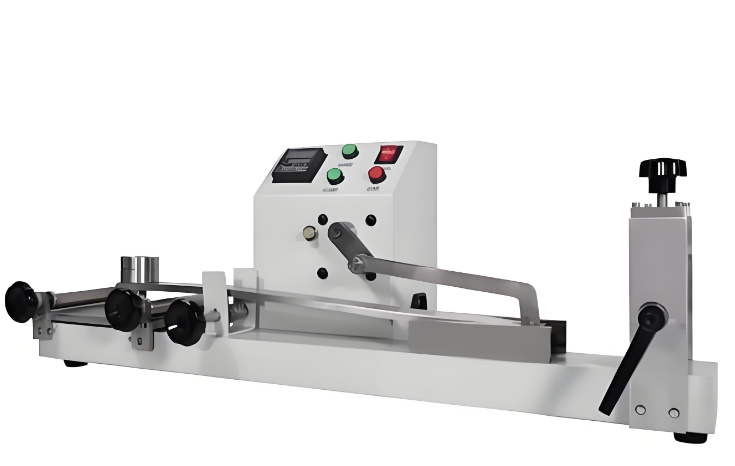
The Electric Rubbing Colour Fastness Tester is widely used in industries such as textiles, leather, coatings, automotive interiors, and furniture to evaluate the colour fastness of materials during real-world use conditions. Its specific applications include:
1. Textile industry
It is used to test the rub fastness of textiles, including clothing, footwear, hats, and home textiles. The purpose is to ensure that fabrics do not fade or stain other materials during daily use, washing, or friction.
2. Leather industry
It is applied to evaluate the colour fastness of leather products such as shoes, bags, and leather garments, ensuring that they do not transfer colour onto other materials during use.
3. Coatings industry
It is used to test the rub resistance of coatings, assessing their durability and colour stability under friction, moisture exposure, or contact with chemicals.
4. Automotive interior industry
It is used to test interior materials such as seat fabrics and roof linings, ensuring that they maintain colour stability and do not fade or transfer colour during friction, sunlight exposure, or cleaning processes.
5. Furniture industry
It is used to evaluate materials such as sofa fabrics and curtain textiles, ensuring that they do not fade or stain other items during everyday use and cleaning.
In summary, the Electric Rubbing Colour Fastness Tester is used to evaluate the colour fastness of materials under friction conditions. It is widely applied across multiple industries to ensure product quality and durability.
The Electric Rubbing Colour Fastness Tester is characterized by automation, multifunctionality, high-precision measurement, adjustable parameters, user-friendly operation, and strong safety performance. These features enable it to meet testing requirements across different industries and provide accurate and reliable test results.
1. Automated operation
The tester adopts an electric control system that enables fully automated testing processes. This reduces the complexity and uncertainty of manual operation, while improving test accuracy and repeatability.
2. Multifunctionality
The equipment can perform various types of rubbing fastness tests, including dry rubbing and wet rubbing conditions. It is also suitable for different materials such as textiles, leather, and coatings, meeting diverse industry requirements.
3. High-precision measurement
Equipped with precise sensors and measurement devices, the tester can accurately measure the colour fastness performance of materials during the rubbing process, providing reliable test data and analysis results.
4. Adjustable parameters
The machine allows flexible adjustment of parameters such as rubbing force, rubbing speed, and number of cycles. This enables simulation of real-world usage conditions for different testing requirements.
5. User-friendly design
The control interface is simple and intuitive, featuring easy-to-operate buttons and a clear display screen, allowing operators to conveniently set up and monitor tests.
6. Safety performance
The tester is equipped with safety protection features such as safety doors and an emergency stop button, ensuring safe operation throughout the testing process.
Preparation
1. Sample preparation
Prepare the samples to be tested for rubbing colour fastness, typically textiles or leather products. Cut the specimens into standard sizes, usually about 100 mm × 100 mm. Condition the samples under constant temperature and humidity to ensure a stable testing state.
2. Instrument inspection
Check the machine cover, testing head, counter, and power supply to ensure all components are in good condition and the instrument is ready for operation.
Mounting the specimen and test fabric
1. Install abrasive paper
Place sandpaper on the base of the instrument with the rough side facing upward, ensuring that its length direction aligns with the rubbing direction. Lay the specimen flat on the sandpaper with the same alignment, ensuring no wrinkles or deformation.
2. Fix the specimen
Secure the specimen firmly using the specimen clamp to prevent slipping or wrinkling during the test.
3. Install the rubbing cloth
Fix the standard white rubbing cloth onto the rubbing head using a spring clip. Ensure the fabric grain is parallel to the rubbing direction and the cloth is evenly stretched and tightly wrapped around the head.
Setting test parameters
1. Select rubbing cycles
Choose the appropriate number of rubbing cycles based on material type and test requirements. The digital counter allows presetting the number of cycles for automatic stop.
2. Set speed and pressure
Adjust rubbing speed and applied pressure according to relevant standards or customer requirements, ensuring stable and consistent test conditions.
Start testing
1. Close the cover
Ensure that both specimen and test cloth are correctly installed, then close the instrument cover.
2. Start operation
Press the start button to begin the test. Observe the rubbing process and contact condition between the head and specimen. Record any abnormal noise or irregular behavior.
End of test and evaluation
1. Observe results
After testing, open the cover and examine rubbing marks and color changes on the sample.
2. Evaluate colour fastness
Compare the results with standard grey scale cards or reference samples to evaluate rubbing fastness. A microscope or magnifier may be used for more precise surface analysis.
Cleaning and maintenance
1. Clean the test head
Remove the test head carefully and clean residual material using a soft cloth or cotton swab. Apply a mild cleaning agent if necessary, rinse with clean water, and dry thoroughly.
2. Instrument maintenance
Regularly inspect mechanical components for looseness or wear. Tighten or replace parts as needed to maintain proper working condition and ensure test accuracy.
Record and reporting
1. Record results
Document all test data, including sample information, test parameters, evaluation results, and conclusions.
2. Archive reports
Store test reports properly for future reference, quality tracking, and analysis.
By following these steps, the operation of the Electric Rubbing Colour Fastness Tester can be completed effectively. In practical use, adjustments should be made according to specific test standards and customer requirements.
1. Ensuring consumer safety and user experience
It helps prevent dye transfer from textiles and leather products to human skin, which may cause allergies or irritation. This is especially important for baby textiles, underwear, and other products that are in direct contact with the skin. It also prevents fading of materials such as curtains, sofa fabrics, and footwear uppers caused by long-term friction, maintaining both aesthetic appearance and durability and improving overall user experience.
2. Enhancing corporate competitiveness
The tester enables manufacturers to select high-quality raw materials, optimize production processes, and develop products with higher colour fastness and durability. This reduces customer complaints and return rates. By establishing a high-quality brand image, companies can also achieve higher product value and pricing advantages—for example, in premium apparel and automotive interior industries where achieving grade 4 or above colour fastness enhances market competitiveness.
3. Standardizing industry development and market regulation
As a key item in quality inspections conducted by regulatory authorities, colour fastness testing helps eliminate substandard products through routine inspections, ensuring that enterprises fulfill their quality responsibilities. For example, the Chinese standard GB 18401 requires that baby textiles meet a minimum rubbing fastness level of grade 3. Such standards establish industry entry thresholds, eliminate low-quality production capacity, and promote industrial upgrading.
4. Facilitating international trade compliance
It ensures compliance with market access requirements in different countries and regions, such as EN ISO 105-X12 (EU) and AATCC 8 (USA) standards for textile colour fastness. This helps enterprises avoid risks such as customs rejection and product returns caused by non-compliance, effectively removing technical barriers in cross-border trade.
5. Driving material innovation and technological advancement
It provides reliable performance evaluation data for new materials in research and development, such as assessing the fixation performance of eco-friendly dyes, abrasion resistance of coating materials, and color stability of composite materials. This supports R&D direction optimization—for example, improving fiber structure and dye formulations for outdoor textiles to balance environmental performance and colour fastness, thereby promoting technological upgrading in the industry.
In summary, the Electric Rubbing Colour Fastness Tester is a highly valuable instrument in the field of textile testing, playing an important role in ensuring product quality, consumer safety, industry regulation, and technological innovation. We sincerely welcome you to contact us at any time so that we can provide more detailed product information and technical support tailored to your needs.


