The Scratch and Abrasion Surface Treatment Tester is a specialized testing instrument used to evaluate the scratch resistance, scuff resistance, and wear resistance performance of material surfaces. It is widely applied in quality control and R&D verification across industries such as automotive, plastics, coatings, leather, and rubber. This article will introduce the equipment from the perspectives of its functions, applicable industries, and technical features, providing a useful reference for relevant users.
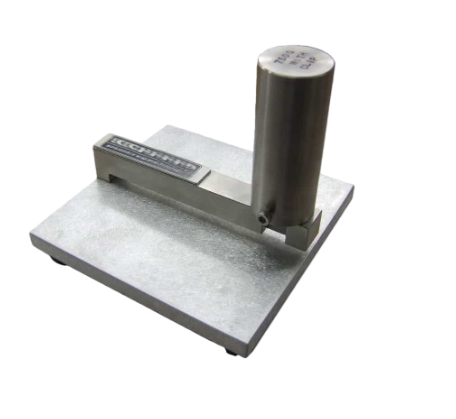
This equipment is a specialized instrument designed to evaluate the scratch resistance, scuff resistance, and wear resistance performance of material surfaces. It is widely used in material science, quality control, and product R&D. Its core functions include:
Scratch and Scuff Simulation:
By applying a specified load through a controllable scratch stylus moving across the material surface, the instrument simulates scratches, scuffs, and wear conditions encountered during actual use.
Adjustable Multi-Parameter Settings:
Supports adjustment of parameters such as test load (2N–20N), scratching speed, stroke length (0.5 mm–2 mm), and scratch spacing, making it suitable for different testing standards.
Multiple Scratch Stylus Configurations:
Equipped with scratch styluses made of stainless steel, tungsten carbide, and other materials, with diameters including 0.5 mm, 1 mm, 3 mm, 5 mm, and 7 mm, to meet testing requirements for different material characteristics.
Automated Operation:
Features PLC control and a touchscreen interface with Chinese and English language switching. The system can automatically perform scratching, lifting, resetting, and other actions while displaying the testing process in real time.
Multi-Dimensional Evaluation:
Evaluates color change, coating adhesion, and surface damage in scratched areas through methods such as visual comparison, color difference analysis, and tape adhesion testing (e.g., ASTM D3359).
The Scratch and Abrasion Surface Treatment Tester is a specialized instrument designed to evaluate the scratch resistance, scuff resistance, and wear resistance performance of material surfaces. It is widely used in quality control and R&D processes across multiple industries, especially for materials such as surface coatings, plastics, leather, and textiles. Its main application industries include:
Automotive Industry:
Used to test the scratch resistance and wear resistance of interior materials such as seats, dashboards, and door panels, in compliance with international OEM standards including BMW, GM, Ford, and Jaguar Land Rover.
Consumer Electronics Industry:
Simulates repeated friction and scratching caused by fingers or fingernails on touchscreens and device housings to evaluate coating durability. Suitable for products such as smartphones, tablets, and smartwatches.
Home and Furniture Manufacturing:
Used to evaluate the scratch resistance performance of leather, fabrics, wood coatings, and other materials during daily use.
Coatings and Printing Ink Industry:
Evaluates the adhesion performance and scratch resistance of coatings and printing inks.
Plastics and Rubber Industry:
Performs surface durability verification for various plastic products and rubber components.
Quality Inspection and Certification Organizations:
Used as a standardized testing instrument for product compliance testing in third-party laboratories.
The Scratch and Abrasion Surface Treatment Tester is a specialized instrument designed to evaluate the scratch resistance, scuff resistance, and wear resistance performance of material surfaces. It is widely used in quality control and R&D testing for automotive interiors, coatings, plastics, leather, rubber, and other materials. Its main technical features are as follows:
Compatibility with Multiple Standards:
Supports a wide range of international and industry testing standards, including PV 3952 (Volkswagen material testing standard), Ford BN 108-03.13 (Ford scratch resistance standard), BMW 0180. PA-P 028 (BMW interior scratch resistance specification), GMW 14688 (GM Scuff & Mar testing standard), GME 60401. and Jaguar Land Rover TPJLR.52.004.
Adjustable Testing Parameters:
Scratch Stylus Material: Stainless steel or tungsten carbide optional;
Scratch Stylus Size: Common diameters include 0.5 mm, 0.75 mm, 1 mm (Erichsen 318), 3 mm, 5 mm, and 7 mm. Optional PMMA plastic stylus is also available (16 mm diameter, Shore D85 hardness);
Load Force Range: Selectable from 2 N, 3 N, 5 N, 7 N, 8 N, 10 N, 12 N, 15 N, and 20 N;
Scratch Spacing: Adjustable from 0.5 mm to 2 mm (special scratch stylus specifications required for spacing below 2 mm);
Number of Scratches: Optional 6–11 scratch paths.
Automation and Human-Machine Interaction:
Equipped with a touchscreen operating interface supporting both Chinese and English menu switching, with real-time display of the testing process. PLC automatic control enables precise automated horizontal movement and lifting actions of the scratch stylus.
Wide Range of Applications:
Suitable for evaluating the surface durability of automotive interior materials, plastics, rubber, leather, coatings, fabrics, paints, inks, and soft metals.
This equipment is mainly used for product development validation, quality control, and third-party testing laboratories to ensure that materials possess sufficient scratch and abrasion resistance during actual use.
The core working principle of the Scratch and Abrasion Surface Treatment Tester is to simulate the mechanical damage process experienced by material surfaces under controlled conditions, thereby evaluating their scratch resistance, scuff resistance, and wear resistance performance.
Core Working Principle
Controlled Load Application:
A standardized indenter (such as a diamond stylus or hardened steel stylus) applies a precisely controlled normal load (vertical force) onto the material surface.
Relative Motion Scratching:
The indenter moves across the sample surface at a constant or programmable speed, simulating real-world scratching or abrasion conditions during product use.
Multi-Dimensional Signal Acquisition:
Real-time monitoring of normal force and tangential friction force to calculate the coefficient of friction;
Recording scratch depth and width using optical or displacement sensors;
Capturing acoustic emission signals or electrical continuity changes to determine coating failure points.
Failure Criterion Analysis:
Based on sudden changes in friction force, spikes in acoustic emission signals, or abrupt increases in scratch depth, the system identifies the critical load (e.g., coating delamination threshold) and quantitatively evaluates adhesion strength and surface durability.
Overview of Operating Procedure
Although the detailed operation may vary slightly depending on different brands or models, the general workflow of mainstream Scratch and Abrasion Surface Treatment Testers is as follows:
1. Sample Preparation
Fix the test specimen (such as plastic panels, coated samples, etc.) onto the testing platform, ensuring the surface is clean and level.
If a cross-hatch test is required, a dedicated cutting tool can be used to pre-form a grid pattern on the surface.
2. Parameter Setting
Load (Weight): Select the applied force according to the testing standard, commonly 2N, 5N, 10N, etc.
Scratching Speed: Set the stylus movement speed, typically 1–10 mm/s.
Stroke Length: Define the reciprocating travel distance of the stylus, such as 10 mm or 20 mm.
Scratch Tip Type: Select stylus material (e.g., stainless steel, tungsten carbide) and tip radius (e.g., 0.5 mm, 1 mm).
3. Start Testing
Start the test program via the touchscreen interface or control software. The stylus contacts the sample surface under the preset load and moves along the defined path, producing scratches or scuff marks.
4. Result Evaluation
After testing, the following evaluations are performed using visual inspection, optical microscopy, or color difference measurement:
Scratch visibility
Color difference between scratched and un-scratched areas
Coating delamination (optionally verified using tape adhesion testing)
5. Data Recording and Report Generation
The instrument typically records all test parameters automatically and generates a test report. High-end models may support PLC control and multi-standard switching.
Notes
Different industry standards (such as Ford BN 108-03. BMW 0180. GM 14829) have specific test requirements; the applicable standard should be confirmed before operation.
For Scuff & Mar tests (simulating daily friction damage), a felt wheel or rubber head may be used instead of a scratch stylus.
Regular calibration of the stylus and loading system is required to ensure test accuracy.
The Scratch and Abrasion Surface Treatment Tester is a specialized instrument used to evaluate the scratch resistance, scuff resistance, and wear resistance of material surfaces. Its importance is reflected in the following key aspects:
1. Surface Durability Evaluation
The tester simulates real-life mechanical actions such as scratching and friction to quantitatively assess the surface durability of materials including plastics, leather, coatings, and textiles. By observing color changes in the scratched area, coating delamination, or tactile differences, it provides an objective evaluation of a material’s ability to maintain appearance over long-term use.
2. Quality Control and Standardized Production
It is widely used in industries such as automotive interiors, consumer electronics, furniture, and packaging to ensure products comply with international or industry standards (e.g., GMW 14688. PV 3952. BMW 0180). During both product development and mass production, it provides repeatable and comparable test data to support quality decision-making.
3. Material R&D and Optimization
The instrument helps researchers compare different coating formulations and surface treatment processes (such as hardening and coating technologies), accelerating the development of high-performance materials. Adjustable parameters such as load, speed, and scratch spacing allow adaptation to various material properties and application scenarios.
4. Customer Experience and Brand Protection
Surface scratches directly influence users’ perception of product quality, texture, and durability. Testing helps prevent issues such as easy scratching or fading, thereby improving user experience. For high-end products such as automobiles and luxury goods, scratch resistance is also a key selling point.
5. Regulatory Compliance and Market Access
It helps manufacturers meet global regulatory and OEM requirements. For example, automotive components must pass scratch and scuff testing standards set by OEMs such as GM, BMW, and Jaguar Land Rover. This provides authoritative testing evidence for product export and reduces technical barriers to trade.
In summary, the Scratch and Abrasion Surface Treatment Tester is not only a routine laboratory testing instrument, but also a critical bridge connecting material properties, final product quality, and end-user experience. Through precise evaluation and analysis, it helps deeply understand material performance under different conditions, ensuring higher reliability and durability in product design and manufacturing.We sincerely welcome experts, partners, and potential users to contact us or leave inquiries. Based on your specific requirements, we can provide detailed technical documentation, application cases, and customized professional solutions.


