A Multifunctional Washability Tester is a precision laboratory instrument widely used to scientifically and systematically evaluate the scrub resistance or washability of various material surfaces.This equipment is commonly applied to test the durability of architectural coatings, ceramic tile glazes, surface films of wooden furniture, and a wide range of composite decorative materials.This article aims to provide a comprehensive and structured overview of the instrument. It will cover key aspects in detail, offering clear and practical reference information and operational guidance for industry professionals, quality inspectors, and researchers, with the goal of supporting real-world applications and research needs.
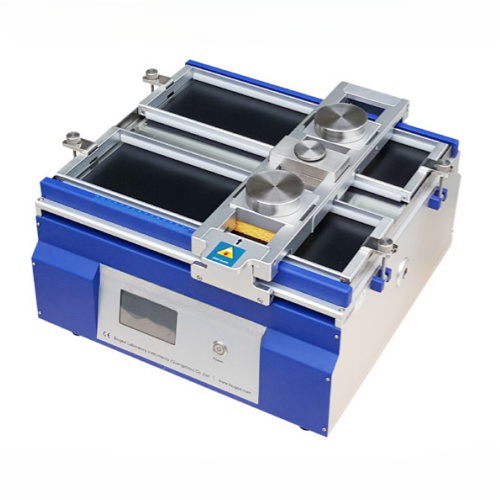
A Multifunctional Washability Tester is primarily used to evaluate the durability and performance changes of materials, coatings, fabrics, cleaning tools, and various surfaces under repeated washing or scrubbing conditions. Its main applications include the following:
1. Evaluating Material Washability
It tests whether textiles, coatings, printed materials, and other surfaces experience fading, deformation, peeling, or performance degradation after repeated washing or scrubbing cycles.
2. Verifying Cleaning Tool Performance
It can be used to assess the wear resistance and cleaning efficiency of tools such as brushes and sponges after repeated use, ensuring their durability and effectiveness over time.
3. Compliance with Industry Standards
Many products must meet international or national standards such as ISO, AATCC, and GB for washability performance.
This tester provides standardized and reliable data to support compliance verification.
4. Supporting R&D and Quality Control
Widely used in manufacturing, laboratories, and quality inspection institutions, the instrument provides critical performance data for new product development and ensures product quality before market release.
Overall, the Multifunctional Washability Tester is an essential tool for assessing surface durability, improving product performance, and ensuring consistency with industry requirements.
A Multifunctional Washability Tester is mainly used to evaluate the performance of textiles, protective clothing, and household fabrics under simulated washing conditions. It focuses on key indicators such as oil repellency, stain removal, durability, and appearance retention.
The core applicable standards include:
1. AATCC Standards
AATCC 118
Used to determine the oil repellency of fabrics by observing the wetting behavior of standard oils on the textile surface and assigning a rating.
AATCC 61
Evaluates color fastness to washing under accelerated laundering conditions.
AATCC 135
Simulates home laundering processes to assess dimensional stability and appearance changes after washing.
2. ISO Standards
ISO 6330
Specifies standard methods for domestic washing and drying procedures, used to evaluate performance changes after repeated laundering.
ISO 14419
Similar to AATCC 118. used for testing resistance to hydrocarbon liquids (oil repellency) under the ISO system.
Additional Notes
These tests are often conducted in combination with auxiliary equipment such as:
Oil repellency test kits
Color fastness to washing testers
Standard light boxes for visual evaluation
This integrated approach ensures that test results are accurate, reliable, and repeatable, meeting both industry and international quality requirements.
In summary, the Multifunctional Washability Tester supports multiple AATCC and ISO standards, making it a versatile and essential tool for textile testing, product development, and quality assurance.
The working principle of a Multifunctional Washability Tester can be summarized as follows:
1. Simulation of Domestic or Industrial Washing Conditions
The instrument precisely controls key parameters such as water temperature, washing time, mechanical action (e.g., tumbling or stirring), and detergent concentration.
This allows it to realistically simulate actual washing environments encountered in daily use or industrial laundering processes.
2. Multi-Mode Washing Cycles
It supports multiple washing programs such as gentle, standard, and intensive modes, enabling testing of different materials with varying durability requirements. This flexibility ensures accurate evaluation across a wide range of sample types.
3. Automated Control and Monitoring
The system is typically equipped with a PLC (Programmable Logic Controller) or microprocessor, which precisely regulates all washing parameters.
It also records operational data in real time, ensuring high repeatability and traceability of test results.
4. Post-Wash Performance Evaluation Interface
Some advanced models can be integrated with or connected to additional testing modules such as color difference meters or dimensional measurement systems.
This enables a fully automated workflow from washing simulation to performance evaluation, improving efficiency and reducing human error.
In essence, the Multifunctional Washability Tester works by simulating real-life washing conditions under controlled and programmable parameters, combined with automated system control and data recording, to accurately evaluate material durability and performance changes after washing.
Proper operation of a Multifunctional Washability Tester is essential to ensure accurate, repeatable, and standardized test results. A complete understanding of its workflow helps users fully utilize its functions and performance characteristics.
1. Pre-Test Preparation
Before starting the instrument, thorough preparation is required:
Check that the power supply is properly connected and stable.
Ensure that the water inlet and drainage systems are securely connected, unobstructed, and leak-free.
Prepare all required materials in advance, including:
Standard detergents (neutral or alkaline, as required)
Standard friction fabrics (e.g., cotton cloth or wool felt)
Textile or fabric samples to be tested
Confirm that all materials comply with relevant standards and are ready for use.
2. Sample Installation and Fixing
Install the test samples flat and securely into the designated fixtures or rotating drum according to relevant standards such as AATCC, ISO, or GB.
If simulating real garment wear and washing conditions, add specified abrasion media such as:
Wool felt pads
Standard cotton fabrics
Other prescribed friction materials
These materials help improve the realism and accuracy of the test.
3. Setting Test Parameters
Using the touchscreen or control panel, configure all required parameters, including:
Washing temperature (e.g., 30°C, 40°C, 60°C)
Washing duration (e.g., 30 minutes, 1 hour, or longer)
Drum rotation speed or agitation frequency
Detergent type and concentration
Some advanced models support automatic detergent dosing, which should be configured in advance.
4. Starting the Test
Ensure the samples are properly installed and the chamber door is securely closed.
Press the “Start” button to begin the test.
The instrument will automatically perform the entire washing cycle, including:
Water injection
Heating to target temperature
Main washing process
Drainage
Rinsing (if included in the program)
No manual intervention is required during operation.
5. Sample Removal and Result Evaluation
After the test is completed:
Carefully remove the samples once the system signals completion.
Dry the samples according to standard requirements (air drying or oven drying).
Evaluate performance changes using standardized methods or instruments, including:
Color fastness
Pilling resistance
Dimensional stability (shrinkage or elongation)
Compare results before and after washing to complete the performance assessment.
A Multifunctional Washability Tester operates through a fully automated, standardized washing simulation process, combined with precise control of temperature, time, and mechanical action.
Correct operation ensures reliable data for evaluating material durability, supporting quality control, product development, and compliance with international testing standards.
Proper maintenance of a Multifunctional Washability Tester is essential for ensuring stable performance, accurate test results, and extended service life. A systematic maintenance routine also helps prevent damage caused by improper operation. The key maintenance practices are as follows:
1. Cleaning and Dust Prevention
After each use, wipe the internal and external surfaces of the instrument with a clean, soft cloth.
This helps prevent the accumulation of detergent residues, water stains, and dust, which may lead to corrosion or mechanical malfunction over time.
2. Inspection of Pipelines and Seals
For equipment equipped with water circulation or liquid delivery systems:
Regularly check pipelines for aging, leakage, or blockage
Ensure all joints and connectors are tightly secured
Prevent water leakage that may affect test accuracy or cause electrical faults
3. Filtration and Water Quality Management
Use deionized water or distilled water to prevent scaling and contamination
Install a 0.45 μm filter membrane at the water inlet
This helps prevent impurities from clogging spray nozzles or valves
4. Avoiding Residual Corrosive Substances
After each test:
Fully drain remaining liquid inside the system
Avoid long-term retention of solutions containing salts, acids, alkalis, or strong oxidizing agents
This reduces the risk of internal corrosion and component degradation
5. Lubrication and Moving Part Maintenance
For instruments with motors, rotating drums, or vibration mechanisms:
Apply appropriate lubricating oil regularly according to the user manual
Ensure smooth operation of moving parts
Reduce mechanical wear and extend equipment lifespan
A structured maintenance routine—including cleaning, pipeline inspection, water quality control, corrosion prevention, and mechanical lubrication—ensures the Multifunctional Washability Tester operates reliably and accurately over long-term use.Proper maintenance not only improves test consistency but also significantly extends the service life of the equipment.
A Multifunctional Washability Tester is widely used across multiple industries where material durability, wash resistance, and surface performance need to be evaluated after repeated washing or scrubbing cycles.
1. Textile and Apparel Industry
Used for fabrics such as cotton, linen, silk, wool, synthetic fibers, and blends.
It evaluates:
Color fastness to washing
Shrinkage
Pilling resistance
Overall durability of garments such as shirts, trousers, underwear, sportswear, and uniforms
2. Home Textiles Industry
Applied to products like:
Bed sheets and duvet covers
Pillowcases
Towels
Curtains
Sofa covers and carpets
It assesses appearance and physical performance changes after repeated laundering.
3. Industrial Textile Sector
Used for technical and functional textiles, including:
Filtration fabrics
Tarpaulin materials
Medical textiles (e.g., reusable surgical gowns)
Protective clothing
These materials must maintain performance after repeated cleaning or disinfection.
4. Leather and Fur Industry
Evaluates changes in:
Softness
Color stability
Gloss
Physical performance after wet or dry cleaning
5. Coated and Composite Fabric Industry
Applied to materials such as:
PU or PVC-coated fabrics
Waterproof and breathable laminated textiles
It tests coating adhesion and interlayer bonding strength after washing.
6. Infant and Children’s Products Industry
Used for baby clothing, soft toys, and similar products to ensure:
Dimensional stability after repeated washing
Safety of accessories and attachments
7. Footwear and Bag Industry
Evaluates washable shoes (e.g., canvas shoes) and fabric bags to assess:
Structural integrity
Functional performance after washing
8. Detergent and Cleaning Product Industry
Used to evaluate cleaning efficiency and material abrasion resistance of products such as:
Dishwashing liquids
Shampoos
Cleaning agents and stain removers
9. Eco-friendly and Functional Materials Industry
Applied to advanced materials such as:
Fluorine-free waterproof fabrics
Antibacterial textiles
UV-resistant fabrics
It verifies durability and compliance with environmental performance claims.
10. Testing Institutions and Research Organizations
Widely used in:
Third-party testing laboratories
Universities
Research institutes
For product certification, quality assessment, and scientific research.
The Multifunctional Washability Tester plays a critical role across industries that require evaluation of material durability under repeated washing or mechanical action. It supports product development, quality control, certification, and research across a wide range of modern industrial applications.
The importance of a Multifunctional Washability Tester lies in its critical role in textile quality control, performance verification, and compliance with industry standards. It provides reliable scientific data to ensure that materials perform as expected throughout their real-life service life.
1. Verifying Performance Claims of Functional Textiles
Modern functional textiles—such as waterproof, anti-stain, thermoregulating, and antibacterial fabrics—often rely on special treatments like phase change materials (PCM) or hydrophobic coatings.
However, these functions may degrade after repeated washing.
A Multifunctional Washability Tester simulates real washing conditions to evaluate whether these functional properties remain effective over time, ensuring product reliability.
2. Supporting Green Chemistry and Sustainability
Eco-friendly textiles, such as regenerated cellulose fibers and bio-based PCM materials, must demonstrate stable performance after repeated laundering.
Washability testing ensures that these “green” products maintain their claimed functionality in real use, thereby supporting sustainable fashion and environmentally responsible manufacturing.
3. Meeting Regulatory and Market Trust Requirements
Retailers and consumers increasingly rely on third-party verification (e.g., UL Verification Marks) to confirm product performance.
Multifunctional washability testing provides standardized and repeatable data, helping manufacturers build credibility, improve transparency, and strengthen brand trust.
4. Compatibility with Multiple Standards and Applications
These instruments are typically compatible with a wide range of international standards, such as:
AATCC test methods (e.g., TM214 condensation test, LP5 home laundering procedures)
Various industrial and laboratory protocols
They can be used in applications ranging from textile washing tests to laboratory cleaning simulations, improving testing efficiency and consistency.
In summary, the Multifunctional Washability Tester is a highly versatile and essential testing instrument that plays a key role in ensuring product durability, verifying functional claims, supporting sustainability, and meeting global quality standards.We welcome further inquiries and discussions to explore its technical specifications, applications, and real-world case studies in greater detail.


