The Seat Belt Webbing Abrasion Tester is a specialized laboratory instrument designed to evaluate the abrasion resistance of automotive seat belt webbing. This device simulates the friction and wear processes that seat belts may experience during long-term repeated use or under extreme conditions, accurately assessing the material’s resistance to wear and performance degradation. Its primary purpose is to scientifically measure and verify the durability of seat belt webbing, ensuring that this critical safety component maintains structural integrity and reliability during vehicle collisions or other emergency situations, thereby providing continuous and effective protection for occupants.
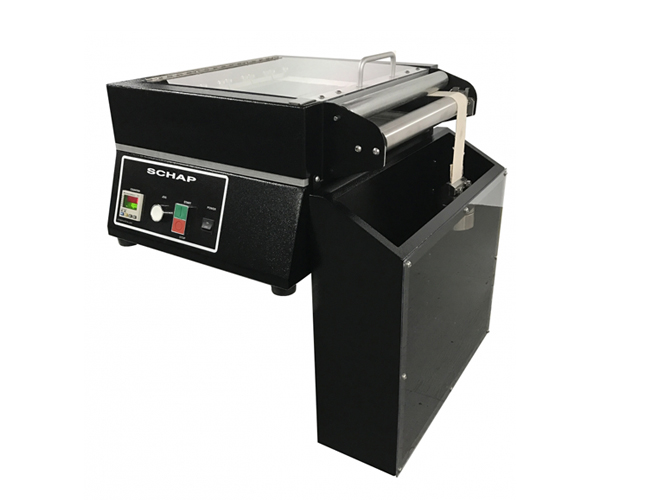
The Seat Belt Abrasion Tester is a specialized testing instrument designed to evaluate the abrasion resistance of automotive seat belt webbing. Its primary applications include:
Testing the Abrasion Resistance of Seat Belt Webbing:
By simulating repeated friction between the seat belt and guiding components such as the B-pillar, buckles, and retractors, the tester assesses the webbing’s wear resistance during long-term use.
Verifying Product Durability and Safety:
Ensures that the seat belt maintains sufficient strength and structural integrity after repeated abrasion, meeting the requirements of automotive safety standards such as GB, ISO, and FMVSS.
Supporting Material Development and Quality Control:
Used by automotive manufacturers or seat belt suppliers during material selection, process optimization, and final inspection to compare the abrasion performance of different fabrics, coatings, or weaving structures.
Standards Compliance Testing:
These tests are generally conducted in accordance with relevant standards, such as:
ASTM D4157 (Wyzenbeek Method): Widely used for textile abrasion testing, applicable to seat belt fabrics.
ISO 5981 or JIS 0849: International and Japanese standards that also specify abrasion test procedures for seat belt components.
The Seat Belt Abrasion Tester is primarily used to evaluate the abrasion resistance of seat belt webbing. Testing is conducted in accordance with multiple international, national, and industry standards.
International and Regional Standards
FMVSS No. 209 (Federal Motor Vehicle Safety Standard, USA): Specifies requirements for seat belt assemblies, including webbing strength, durability, and abrasion resistance, and is mandatory for the U.S. market.
ISO 6683:2025: Applicable to seat belt assemblies and anchor points in construction machinery; while focusing on impact and restraint performance, test conditions may involve material durability assessment.
ECE R14 (UN Economic Commission for Europe Regulation): Covers seat belt anchor points and system performance, with some clauses related to material durability testing.
Chinese National Standards
GB 14167-2024 (effective July 2025): Specifies static and dynamic test requirements for automotive seat belt anchor points, including load application and deformation limits, indirectly relating to overall webbing system durability.
GB 15083-2006: Primarily for seat systems, but includes durability test conditions for seat belt integration with the seat, which may be applicable for abrasion evaluation of integrated systems.
Industry and Enterprise Standards
SAE J826_95: Defines and measures vehicle seat reference points; not directly for seat belts, but may relate to seat belt routing and friction evaluation in full vehicle integration tests.
Corporate Standards (e.g., GMW14364. BMW PR 4301-4): Some OEMs impose specific abrasion requirements for seat belt components, typically supplementing FMVSS or ECE regulations.
The core principle of the Seat Belt Abrasion Tester is to simulate the friction behavior of seat belts during actual use, whether against the human body or vehicle interior components.
Simulating Friction Motion:
The tester precisely controls parameters such as applied load, sliding speed, and test duration to make the seat belt specimen repeatedly rub or slide against a designated abrasion medium. This medium may include standard abrasive materials or materials simulating human skin, clothing, or interior surfaces.
Measuring Performance Indicators:
The device evaluates abrasion resistance and resistance to micro-slippage by recording metrics such as the specimen’s weight loss, surface wear, or webbing displacement after a specified number of friction cycles.
Adjustable Test Conditions:
The equipment typically allows adjustment of multiple parameters, including:
Load: Commonly from 250 g to 1000 g
Reciprocating speed: 2–60 cycles per minute
Stroke length: 0.5–4 inches
Total number of friction cycles: Up to several hundred thousand
Standards Compliance:
The tester conforms to various international standards, such as ASTM F2496. ISO 1518-1. and GME 60248. ensuring that test results are reliable and comparable across laboratories.
This testing is crucial to ensure the long-term structural integrity and occupant restraint performance of seat belts. In collision scenarios, insufficient abrasion resistance could lead to seat belt failure or abnormal load distribution.
Specimen Preparation:
Cut seat belt samples to precise dimensions according to relevant test standards such as ASTM D5264 or TAPPI T830.
Ensure the sample surface is clean and dry, free from oil, dust, or other contaminants that may affect test results.
Specimen Installation:
Secure the prepared sample firmly in the tester’s dedicated fixture.
Ensure the sample does not slip, twist, or deform during testing to guarantee accuracy and repeatability.
Parameter Setting:
Friction Load: Typically set to 8.9 N (~2 lbs) or 17.8 N (~4 lbs), adjusted according to the test standard or product requirements.
Friction Speed: Commonly selectable speeds include 21. 42. 85. or 106 cycles per minute (cpm), depending on testing conditions.
Number of Cycles: Set the total friction cycles as specified in the chosen standard (e.g., ASTM D5264 or TAPPI T830).
Test Mode Selection: Choose from dry, wet, or wet-transfer modes to simulate real-world wear conditions.
Start Testing:
Confirm the equipment is in normal operating condition and the environment is safe.
Start the tester; it will run automatically until reaching the preset number of friction cycles.
Result Evaluation:
After the test, carefully examine the sample surface for signs of wear, fiber breakage, coating loss, or color changes.
Document findings with photographs if necessary for further analysis and reporting.
Calibration Verification: Confirm that the device has been calibrated according to relevant standards before each use, ensuring correct load, reciprocating speed, and stroke.
Environmental Conditions: Conduct tests in a controlled environment, typically 23 ± 2°C and 50 ± 5% RH, to prevent humidity or temperature fluctuations from affecting results.
Specimen Fixation: Ensure the seat belt is securely clamped to prevent slippage or local stress concentration; keep the sample surface clean.
Safety Measures: Do not touch moving friction parts during operation to avoid mechanical injury or burns, as some equipment may generate heat during testing.
Cleaning: After testing, remove debris from the friction platform and clamps using a soft brush or compressed air.
Lubrication: Periodically lubricate guide rails, lead screws, and other moving parts as specified in the equipment manual.
Sensor Check: Verify the stability of key sensors such as load cells and displacement encoders monthly.
Record Keeping: Complete a Device Operation Log after each use, including test ID, environmental conditions, and any anomalies.
Modern seat belt abrasion testers are typically equipped with digital displays or PC interfaces, allowing real-time recording of key test parameters, including:
Number of friction cycles completed
Applied load values during each cycle
Wear depth or material loss on the seat belt sample
The recorded data can be exported for further statistical analysis to:
Evaluate the overall abrasion resistance of the seat belt material
Assess performance degradation over repeated cycles
Determine compliance with relevant safety standards
Advanced systems may also generate graphs and trend curves, such as load vs. cycles or wear depth vs. cycles, providing a detailed visualization of the material’s durability under simulated usage conditions.
The seat belt abrasion tester is primarily used in the following fields:
Automobile Manufacturing
For quality inspection of produced seat belt assemblies, including webbing, buckles, and retractors, ensuring compliance with national and international safety standards.
Automotive Component Production
During R&D and manufacturing of critical components such as seat belt webbing, locking mechanisms, and adjustment devices, it tests abrasion resistance, fatigue performance, and long-term reliability.
Seat Belt Material Development
Evaluates performance degradation of seat belt webbing made from new high-strength fibers (e.g., polyester, nylon) or composite materials under repeated friction.
Crash Safety Research
By simulating friction between the seat belt and the human body or vehicle structures, designers can optimize seat belt systems to reduce occupant injury during accidents.
Third-Party Testing and Certification
Provides standardized testing methods for certification bodies to support product approvals (e.g., 3C certification, ISO/TS 16949) and regulatory compliance verification.
Testing Methodology:
The equipment typically applies a constant load, sets sliding speed and cycle numbers to simulate friction scenarios during sudden braking, collisions, or daily use, thereby quantifying the abrasion resistance and dynamic response of seat belt materials.
The seat belt abrasion tester is crucial because it directly relates to the long-term durability and reliability of seat belts, which in turn affects occupant protection during collisions.
As a core component of a vehicle’s passive safety system, the seat belt’s webbing and metal parts (such as anchor points and B-pillar mounts) undergo repeated friction during normal use. This can lead to material wear, reduced strength, and even failure. The abrasion tester is specifically designed to simulate and evaluate the effects of such long-term friction on seat belt materials and structures. Its importance can be summarized in the following aspects:
Ensuring Long-Term Safety
Seat belts must maintain stable performance throughout the vehicle’s service life. Abrasion testing verifies whether the webbing experiences strength degradation or structural damage after repeated use, such as pulling, fastening, or retraction cycles.
Compliance with Regulations and Evaluation Systems
Major global automotive safety standards (e.g., NCAP, FMVSS, ECE R16) require durability verification of seat belt systems, including resistance to friction at anchor points and guides.
Supporting Material and Structural Optimization
By simulating real-world wear conditions, abrasion testing provides data to optimize seat belt webbing materials, surface treatments, and anchor point designs, improving both safety and comfort.
Preventing Potential Failure Risks
Worn webbing can cause lock failure or rupture during a crash. Abrasion testing helps identify high-risk areas in advance, reducing the likelihood of safety system failure when it matters most.
As a key testing tool, the seat belt abrasion tester plays a vital role in ensuring that automotive seat belts remain reliable and effective throughout production, use, and the vehicle’s entire service life. It accurately simulates long-term wear in realistic conditions, evaluates material durability and structural integrity, and is essential for enhancing overall vehicle passive safety performance.We invite you to visit our official website to explore detailed technical specifications, application cases, and further information about this essential testing equipment.


