Vehicle Fabric Abrasion Tester is a specialized testing instrument used to evaluate the abrasion resistance of textile materials used in vehicle interiors. By simulating friction and wear encountered during everyday use, it quantitatively assesses the wear resistance of fabrics, synthetic materials, composite materials, and leather. The test results provide a scientific basis for interior material selection, quality control, and technical development in the automotive industry.
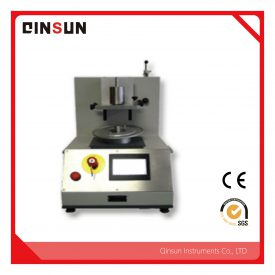
In automotive applications, textiles are not only used in visible components such as seats and carpets, but also in functional materials such as seat belts and sound-insulation pads. Different components impose different requirements on abrasion and scratch resistance, and the vehicle fabric abrasion tester is a key tool for evaluating these critical performance indicators.
Abrasion resistance refers to a material’s ability to withstand damage under friction or wear. During actual use, automotive fabrics are inevitably subjected to repeated friction, such as passengers entering and exiting seats, foot contact with floor mats, or movement of luggage in the trunk. These frictional actions can lead to fiber breakage, structural loosening, and surface degradation. Materials with higher abrasion resistance generally exhibit longer service life and more stable appearance over time.
Within the automotive interior material system, fabric abrasion resistance directly affects several key aspects:
Service life
Materials with poor abrasion resistance are prone to wear, pilling, or even tearing under normal use, reducing overall vehicle quality and durability.
Appearance retention
Visible wear on seats, carpets, or trim fabrics negatively affects interior aesthetics and user perception.
Safety performance
For functional textiles such as seat belts and high-strength interior components, insufficient abrasion resistance may compromise structural integrity and safety performance.
For these reasons, scientific evaluation of abrasion resistance is a fundamental step in automotive material development and quality assurance.
Vehicle fabric abrasion testers simulate wear processes by applying standardized abrasive media to specimens under specified loads and cycle counts. The abrasion resistance is then evaluated based on physical changes observed in the specimens.
Reciprocating Abrasion Test
This method uses a reciprocating motion to rub the specimen against a fixed abrasive material, such as sandpaper. It simulates planar friction commonly experienced by fabrics in real use. The specimen is fixed on a moving platform, while the abrasion head applies controlled force and speed. After testing, abrasion resistance is assessed by changes in weight, surface damage, or mechanical strength.
Reciprocating abrasion tests are commonly used for decorative fabrics and automotive interior textiles subjected to flat surface friction.
Martindale Abrasion Test
The Martindale method is widely used in the textile industry and closely reflects real-world wear conditions. The tester generates multi-directional friction using a Lissajous motion pattern, simulating abrasion from different directions encountered during service.
During testing, the specimen contacts a standard abrasive under defined pressure and cycles until a specified level of wear or failure is reached. Results are typically expressed as Martindale abrasion cycles, allowing quantitative comparison between materials.
Taber (Rotary Platform) Abrasion Test
The Taber abrasion test uses a rotating platform fitted with abrasive wheels. The specimen is mounted on the platform while the wheels apply uniform pressure and rotate across the surface. This method is commonly used to evaluate the abrasion resistance of fabrics, coatings, plastics, and similar materials.
Taber testing is straightforward and intuitive, with wear evaluated based on mass loss or surface appearance changes. It is widely applied to automotive fabrics and interior components.
Schopper Rotary Abrasion Test
This rotary abrasion method is frequently referenced in testing standards. The specimen is fixed to a holder, while a rotating abrasion head contacts the surface to simulate wear through repeated friction cycles. This test is typically used to evaluate surface damage, color change, and fabric layer deterioration.
A vehicle fabric abrasion tester generally consists of the following key components:
Specimen Holding System
Specimen clamps securely fix fabric samples in place, ensuring stability and alignment throughout the test.
Abrasion or Abrasive Head
The abrasion head uses standardized abrasive materials, such as sandpaper or textile abrasives, to produce consistent and repeatable friction against the specimen surface.
Control System
Modern testers are equipped with electronic control systems that allow users to set test parameters such as cycle count, speed, and applied load. Touchscreen interfaces, automatic stop functions, and programmable test modes improve test repeatability and standardization.
Data Acquisition and Evaluation
Counters, sensors, and software systems record test cycles, applied loads, and operating parameters, generating detailed test data and reports for analysis and comparison.
Abrasion testing of automotive fabrics must comply with relevant international and industry standards. Commonly referenced standards include:
ASTM and ISO standards, such as ASTM D4966 for Martindale abrasion testing, which define quantitative evaluation principles and methods.
Automotive industry specifications, including requirements used by vehicle manufacturers for interior fabric durability testing.
National and regional standards, such as DIN and other regional textile abrasion standards.
These standards ensure consistency and comparability of test results across manufacturers, suppliers, and testing laboratories.
Applications in the Automotive Industry
Vehicle fabric abrasion testers are widely used in the following areas:
Interior Fabric Durability Evaluation
Seat upholstery, carpets, and door trim fabrics must withstand long-term friction to maintain appearance and comfort during vehicle use.
Seat Belt and Functional Textile Assessment
Functional textiles such as seat belts and cargo straps require exceptionally high abrasion resistance and mechanical strength. Abrasion testing helps evaluate residual strength and long-term reliability under repeated friction.
Material Development and Optimization
During the development of new textile materials, abrasion testing verifies whether performance targets are met. Comparative data support fiber formulation optimization and structural design improvements.
Abrasion performance is typically evaluated using several key indicators:
Abrasion Cycle Count
The number of friction cycles applied until visible wear or failure occurs. Higher cycle counts generally indicate better abrasion resistance.
Surface Damage Rating
Post-test visual inspection, often aided by magnification, assesses fiber breakage, pilling, yarn rupture, and surface degradation, helping to identify wear mechanisms.
Mass Loss or Strength Reduction
Quantitative evaluation of changes in specimen weight, thickness, or tensile strength before and after testing provides objective measures of material wear.
The vehicle fabric abrasion tester is an indispensable instrument within the automotive material testing system. It provides objective and standardized evaluation of abrasion resistance for fabrics, leather, and polymer composite materials used in vehicle interiors. Through various testing methods—such as reciprocating, Martindale, Taber, and rotary abrasion tests—it enables comprehensive analysis of material durability under frictional wear.
These tests support material research and development, quality control, and supplier evaluation, helping automotive manufacturers ensure that interior materials meet strict industry standards for abrasion resistance, appearance stability, and long-term performance.


