In industries such as coatings, paints, surface finishes, material care, and textiles, materials are subject to wear from friction, scrubbing, and wet conditions during daily use. To scientifically evaluate a material’s abrasion resistance, scrub resistance, and wash durability, the wet abrasion and scrub tester is widely adopted as a standardized laboratory instrument. This article systematically introduces core knowledge about wet abrasion and scrub testers in a FAQ format, covering equipment purpose, working principles, standards, testing procedures, data interpretation, and common issues, providing a comprehensive reference for laboratory technicians, quality engineers, and procurement decision-makers.
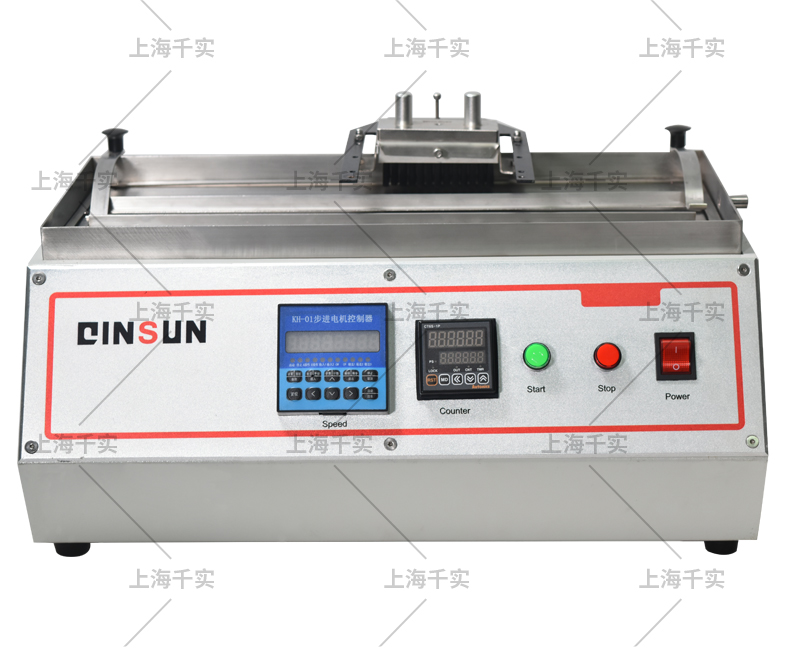
A wet abrasion and scrub tester is a laboratory device used to determine how materials withstand friction, scrubbing, and wear under wet conditions. The instrument simulates surface wear that occurs during cleaning, scrubbing, and friction by controlling brush, sponge, or abrasive pad movement, load, and cycle numbers under reproducible conditions. It is commonly used to evaluate the performance of coatings, paints, walls, plastics, wood, leather, textiles, and other materials.
The main purposes include:
Simulating daily wear: Mechanically replicates cleaning, scrubbing, and everyday friction experienced by materials.
Evaluating scrub and abrasion resistance: Measures surface durability under wet conditions, including color loss and coating detachment.
Assessing cleaning durability and cleaning agent performance: Evaluates how different cleaning agents or solutions affect coatings or surfaces.
Material comparison and standard testing: Provides repeatable, quantitative data for material durability during product development or quality control, in accordance with international testing methods.
The core principle is to use a mechanical reciprocating brush or abrasive pad to apply standardized pressure to a sample surface while interacting with a wet medium (typically water or a designated cleaning solution). Key components include:
Sample holder: Secures flat samples on a glass or substrate base.
Brush or abrasive pad: Nylon brushes, sponge brushes, or abrasive pads make contact with the sample surface to generate friction.
Motion system: Mechanically controls the reciprocating movement of the brush over a defined stroke and frequency.
Wet medium supply system: Pumps or reservoirs supply the cleaning solution, solvent, or water to the brush, ensuring wet testing conditions.
Counters and control system: Records the number of friction cycles and can automatically stop the test according to pre-set standards.
During the test, the wet medium and brushing action induce surface wear, coating detachment, or color changes, which can be analyzed to assess material durability.
The liquid medium, usually water or formulated cleaning solution, serves to:
Simulate real cleaning conditions: Materials in practice are often exposed to moisture or detergents; the liquid medium realistically replicates these conditions.
Alter contact mechanics: Wet surfaces behave differently under friction compared with dry surfaces, making liquid crucial for wet abrasion testing.
Evaluate cleaning agent performance: Different cleaning solutions allow assessment of material resistance under various cleaning conditions.
Wet abrasion and scrub testers are designed to comply with multiple international standards for reproducible and comparable results:
ASTM D2486: Wet scrub test for wall coatings
ISO 11998: Friction and scrub resistance testing methods
DIN EN and BS standards: European and UK standards for various materials
ASTM D3450. ASTM D4213: Coating scrub resistance and color durability tests
Compliance ensures that results are globally consistent and comparable.
Reciprocating cycles: The number of cycles is central to the test, precisely controlled by counters.
Scrubbing speed: Controlled by the motion frequency (e.g., cycles per minute), with different standards specifying different speeds.
Stroke length: The brush reciprocates along a defined distance, adjustable to meet material and standard requirements.
Brush type and load: Choice of brush (nylon, sponge, etc.) and applied weight depends on the test standard and sample characteristics, directly affecting friction and results.
A conventional test procedure involves:
Sample preparation: Cut and secure the sample on the testing panel, ensuring a clean surface.
Parameter setting: Set cycles, scrubbing speed, stroke length, and brush type according to the chosen standard.
Loading liquid medium: Fill the system with water or cleaning solution.
Test execution: Start the equipment and activate counters and control systems.
Observation and recording: Monitor sample wear during the test and record results or images afterward.
Data analysis: Assess wear degree, color change, and coating detachment based on standards or experimental objectives.
This standardized and repeatable process facilitates data comparison and material evaluation.
Visual inspection: Check for noticeable wear, fading, or coating detachment.
Photo documentation: Compare images taken before and after testing.
Cycle threshold analysis: Determine pass/fail based on whether pre-set cycle numbers were reached.
Color/gloss measurement: Use instruments to quantify changes in color or gloss.
Correct interpretation supports product improvement, material selection, and quality control decisions.
Why is liquid medium needed? It simulates wet cleaning conditions and alters friction behavior, producing more realistic results.
How to select the number of cycles? Follow the requirements of ASTM, ISO, or other standards. Pre-testing may help determine suitable ranges for different materials.
Can tests be performed dry? Some instruments support both wet and dry abrasion testing for comprehensive material evaluation.
How to select brush and load? Brush type and weight depend on the test standard and objectives; combinations directly affect results.
Maintenance tips: Keep sample trays and substrates clean, replace worn brushes, check fluid lines, clean pumps and control panels, and ensure counters are accurate.
Wet abrasion and scrub testers are used in a variety of industries, including:
Wall coatings and building materials
Furniture surfaces, flooring, and plastics
Textiles and apparel fabrics for scrub resistance
Printing materials and leather products for wear analysis
Material research in laboratories and standardized testing
As a standardized instrument for evaluating abrasion and scrub resistance, wet abrasion and scrub testers combine controllable reciprocating motion, brush load, liquid medium, and counting systems to realistically simulate material wear. This FAQ-based overview explains the equipment’s purpose, principles, key parameters, procedures, result interpretation, and common issues, providing practical guidance for technical personnel in relevant fields.


