The RCA Tape Abrasion Test Machine is a laboratory instrument designed to measure the abrasion resistance and wear performance of surface materials and coatings. By employing a standardized tape abrasion method, this machine provides repeatable, quantitative evaluations of how surfaces withstand friction and wear under controlled conditions. It plays a critical role in quality control, product development, and materials research across coatings, plastics, electronics, and other industries where surface durability is essential.
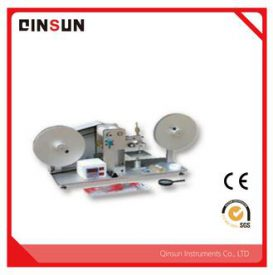
Surface wear is a common mode of degradation for paints, inks, electroplated finishes, printed surfaces, and protective coatings. In everyday use, surfaces encounter rubbing, scratching, and contact with abrasive elements that can cause visual defects, loss of functionality, or shortened product life. The RCA Tape Abrasion Test simulates these conditions in a reproducible laboratory setting, allowing manufacturers and researchers to assess abrasion resistance objectively and compare the performance of different materials and processes.
By subjecting a specimen to a controlled friction process, the test machine quantifies how many abrasive cycles a surface can endure before significant wear appears. These measurements are essential for ensuring that products meet industry standards and customer expectations for durability.
The RCA Tape Abrasion Test Machine is built around a simple yet effective concept: it uses a special abrasive tape as the friction medium, applied under a fixed load against the test surface. A motor drives the tape and rubbing mechanism while a counter tracks the number of revolutions or abrasion cycles completed. When the surface under test begins to show wear—either reaching a visual endpoint specified by standards or after a set number of cycles—the test concludes.
Key components of the machine typically include:
A friction wheel or head that holds and guides the abrasive tape
Standardized abrasive tape designed to simulate wear conditions
Load weights that press the tape against the test surface
A constant speed motor to drive the abrasion process
A counter or digital display to record the number of cycles completed before wear occurs
In operation, the test specimen is mounted securely in the machine. The abrasive tape, commonly referred to as RCA tape, is looped around the friction head and contact roller. A specified weight applies force to maintain consistent contact between the tape and surface. As the motor runs, the tape moves across the specimen surface at a fixed speed and pattern, creating controlled abrasion.
When wear becomes visible or meets pre-established criteria, technicians record the number of cycles the material has endured. This count serves as an indicator of the surface’s abrasion resistance: higher cycle counts generally correspond to better wear performance.
To ensure comparability and repeatability across laboratories, the RCA Tape Abrasion Test is often conducted in accordance with established standards. One widely referenced standard defines the method for determining the abrasion resistance of inks and coatings using the RCA Abrader. This standard specifies conditions such as tape width, test loads, speed, and evaluation criteria, ensuring that results from different machines and operators are consistent.
Standardized conditions typically include:
Test loads of specific weights to simulate different pressure levels
RCA paper tape of defined width to maintain uniform frictional properties
Controlled speed and motion to apply consistent abrasion cycles
Specific evaluation endpoints, such as visual wear or exposure of the substrate beneath the coating
Compliance with these protocols allows manufacturers and testing laboratories to produce reliable data that contribute to product specifications, material selection, and performance benchmarking.
The RCA Tape Abrasion Test Machine is versatile and used in many industries where surface durability is critical:
Coatings and Paints: Evaluates the abrasion resistance of decorative and functional coatings applied to plastics, metals, and other substrates, including automotive paints, appliance finishes, and consumer electronics.
Printed Surfaces: Assesses how well printed graphics and protective layers on keypads, mobile device covers, and control panels resist rubbing and wear.
Plating and Foils: Compares electroplated finishes and metallic foils to improve longevity and performance.
Consumer Electronics and Plastics: Ensures that small devices like phone cases, keypads, and plastic housings withstand abrasion from handling and daily use.
Quality Control and R&D: Used during development and production to ensure consistent material performance and troubleshoot coating process variations before products reach the market.
The machine offers several distinct benefits:
Reproducible Results: Standardized tape and controlled conditions provide reliable data that can be compared over time or between different materials.
Versatility: It can test a wide range of materials and surface types by adjusting load weights and tape properties.
Cost‑Effective Testing Medium: The use of inexpensive, consumable tape makes the test economical for repeated use and batch quality assessments.
Straightforward Operation: Machines are generally easy to set up and operate, with clear endpoints and simple data interpretation based on cycle counts.
Results from the RCA abrasion test are usually reported as the number of abrasion cycles completed before a defined endpoint is reached. This endpoint may be visual, such as exposure of the underlying substrate, or based on a standard threshold for acceptable wear. The higher the number of cycles endured, the more abrasion-resistant the test surface is considered.
In some cases, results may also include quantitative measurements such as a coefficient of friction or numerical wear values when integrated with additional analytical methods. These metrics enhance the understanding of surface performance beyond simple cycle counts.
While the RCA Tape Abrasion Test provides valuable comparative data, it represents a specific type of wear scenario. It simulates friction under controlled, repeatable conditions, but actual end-use environments might involve different wear mechanisms such as impact, chemical exposure, or multidirectional abrasion. Therefore, RCA test results are most informative when combined with other mechanical and environmental tests to form a comprehensive picture of material performance.
Proper calibration, consistent tape selection, and adherence to test standards are essential for reliable and meaningful results. Laboratories must also ensure that specimens are prepared and mounted correctly to avoid introducing variability that could skew data.
The RCA Tape Abrasion Test Machine is an essential tool for evaluating surface wear resistance in coatings, printed materials, and protective finishes. By using standardized RCA tape and controlled abrasion cycles, it offers repeatable and quantitative measures of how well a surface withstands friction and wear. Widely applied in quality control, material selection, and product development, this machine helps industries ensure that their products meet durability requirements and perform reliably in real-world conditions. Its role in materials testing underscores the importance of rigorous abrasion assessment in achieving long-lasting, high-quality surfaces.


