Color Fastness is a core concept in the textile and dyeing industry. It refers to the ability of fabrics or materials to maintain their color without fading or transferring when exposed to external influences. Color fastness not only affects the appearance and user experience of products but also directly impacts consumer satisfaction and market competitiveness. Modern color fastness testing has developed a comprehensive set of standardized procedures to evaluate color changes and dye fixation under simulated real-world conditions. This article provides a systematic overview of color fastness, including its definition and importance, test types, detailed testing methods and procedures, data evaluation and rating, and common standard systems.
Color fastness refers to the ability of a material, such as textiles, leather, or other dyed products, to maintain its original color when subjected to use, washing, friction, light exposure, and other external factors. In simple terms, it measures whether the color is resistant to fading or transferring to other objects.
Color fastness involves two main aspects:
Color Change: The degree to which the color itself changes after exposure to external factors, such as becoming lighter, darker, or shifting in hue.
Staining / Color Transfer: The transfer of color from the tested sample to adjacent materials.
High color fastness is an important quality indicator for textiles and other dyed products, because low color fastness can result in fading or staining during wear or washing, negatively affecting the overall performance of the product.
Color fastness tests are typically classified according to the influencing factor:
Color Fastness to Washing
This test simulates how a fabric maintains its color during washing. Temperature, detergents, and mechanical action can all cause fading or color transfer. Results assess how fabrics perform in domestic or industrial washing conditions.
Color Fastness to Rubbing / Crocking
This test evaluates whether fabric colors are likely to rub off or stain other surfaces. It generally includes both dry and wet rubbing to simulate real-life wear conditions.
Color Fastness to Light
Exposure to light can degrade dye molecules, causing fading or color change. This test evaluates a material’s color stability under sunlight or artificial light sources, often using xenon arc lamps and comparing against a standard blue wool reference.
Color Fastness to Perspiration / Saliva
Human sweat and saliva can affect fabric color. Samples are exposed to synthetic sweat or saliva solutions to observe color change and staining behavior.
Other Types of Color Fastness Tests
Other tests include color fastness to water, seawater, chlorinated water (common for swimwear fabrics), and outdoor weathering. These tests cover various environmental conditions materials may encounter.
Testing Principles and Equipment
Color fastness testing generally uses standardized equipment and strictly defined procedures to generate comparable data.
Washing Fastness Testing Equipment
Machines such as Launder-O-Meters or GyroWash simulators are used. Samples, along with standard reference fabrics, are subjected to controlled washing, agitation, and drying. Color change and staining are then evaluated.
Light Fastness Testing Equipment
Xenon arc light fastness testers simulate natural sunlight. Samples are exposed along with reference fabrics, and the exposure time required to reach a specific level of color loss is recorded, often compared against the blue wool standard.
Rubbing Fastness Testing Equipment
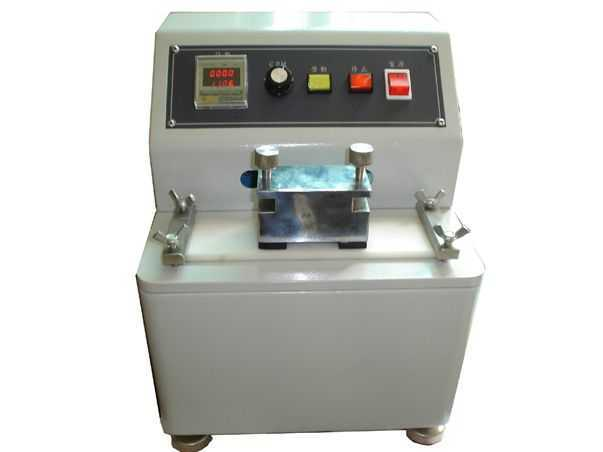
Crockmeters are used to rub samples against standard white fabrics for a specified number of cycles, under both dry and wet conditions. Gray scale evaluation determines the degree of color transfer and assigns a fastness rating.
Chemical Exposure Fastness Equipment
Tests for sweat, saliva, seawater, and other liquid exposures involve immersing samples in standardized solutions under controlled temperature and mechanical action to assess resistance to chemical effects on color.
Although specific procedures vary by test type and standard, the general workflow is as follows:
Sample Preparation
Samples are cut to specified dimensions and labeled. For rubbing tests, standard white fabrics are sewn or placed adjacent to the test sample.
Setting Test Conditions
Parameters such as temperature, light source, rubbing cycles, and detergent pH are set according to the selected standard (ISO, AATCC, etc.).
Running the Test Program
The equipment executes the preprogrammed test process, such as mechanical agitation for washing fastness or exposure timing for light fastness. Multiple cycles may be performed for valid results.
Observation and Rating
After testing, color changes are compared with the original samples and adjacent reference fabrics. Gray scale comparison provides an objective rating system, where 1 indicates very poor fastness and 5 indicates excellent fastness.
Color Fastness Ratings
Gray Scale Rating System
Samples are compared to standard references on a scale from 1 to 5 for both color change and staining. 5 represents little or no change or staining, while 1 indicates significant fading or severe staining.
Light Fastness Rating
Light fastness is often rated on a scale from 1 to 8. with higher numbers indicating better resistance to light exposure.
International Standards
Color fastness tests are governed by organizations such as the International Organization for Standardization (ISO) and the American Association of Textile Chemists and Colorists (AATCC). ISO 105 series covers most color fastness tests, while AATCC standards are widely applied in North America.
Color fastness testing is not only part of quality control but also guides product development, raw material selection, and process optimization. Good color fastness ensures color stability, low risk of fading, high consumer satisfaction, and compliance with international durability requirements.
In practice, factors affecting color fastness include dye type, fiber type, processing methods, washing medium, light intensity, and friction conditions. Choosing appropriate testing methods and standards and strictly controlling experimental conditions are key to obtaining accurate results.
Color fastness testing is a critical method for evaluating the performance of dyed materials. Standardized testing provides scientific data for the development and quality control of textiles, leather, and other dyed products. Understanding the principles, procedures, and evaluation methods of color fastness testing helps improve product durability, meet market requirements, and ensure consumer satisfaction. As standards and technology continue to advance, color fastness testing will remain an essential tool for quality improvement in the textile and related industries.


