In busy industrial environments such as mines, ports, and power plants, belt conveyors work continuously day and night, transporting materials like the “blood vessels” of the industry. However, between the key components that drive this “blood vessel” — the drive pulley and the conveyor belt — there is a hidden risk that cannot be seen: frictional heat generation. If the heat is not properly controlled, it can not only damage expensive conveyor belts but, in extreme cases, may even ignite coal dust and cause serious safety accidents.To eliminate this hazard, the Conveyor Belt Drum Friction Tester was developed. It is not only a quality inspection instrument but also a “temperature safety guardian” for industrial operations. The following provides a clear explanation of the working principle, key functions, and testing standards of this equipment.
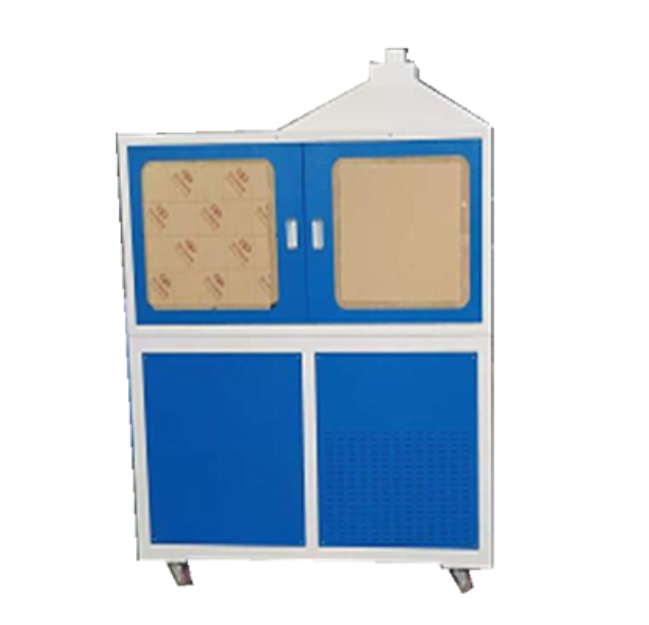
During operation, the movement of a conveyor belt completely relies on the friction force generated between the belt and the surface of the drive pulley. This continuous friction inevitably causes energy conversion, resulting in significant heat generation. Especially under harsh operating conditions such as high-speed operation, heavy-load transportation, or humid environments, if the heat cannot be dissipated effectively and continues to accumulate, it may trigger a series of serious chain reactions, leading to the following consequences:
Accelerated Material Aging:
The rubber cover layer on the surface of the conveyor belt gradually softens under continuous high-temperature exposure and may even melt. The original physical and chemical structure of the material is damaged, resulting in a significant reduction in wear resistance and a greatly shortened service life.
Damage to Internal Structure:
Heat not only affects the surface layer but also transfers into the internal structure of the belt. This may cause failure of the bonding interface between the rubber cover layer and the load-bearing reinforcement layer, such as fabric layers or steel cord layers, leading to structural damage including delamination, separation, or blistering. These issues seriously affect the overall strength and load-carrying capacity of the conveyor belt.
Potential Fire Hazards:
Accumulated high temperatures themselves become a significant heat source. In environments such as coal mines and power plants where combustible dust (such as coal dust) exists, this heat can act as an ignition source, causing surrounding flammable materials to catch fire. This may result in catastrophic fire accidents, posing serious threats to personnel safety and production facilities.
Therefore, to fundamentally prevent these risks, scientific and standardized testing methods are required to systematically evaluate the dynamic temperature rise characteristics and inherent flame-retardant performance of conveyor belts during drum friction. This ensures that conveyor belt products can maintain reliable safety and stability even under design-limit conditions or unexpected extreme operating situations.
The overall design concept of the Conveyor Belt Drum Friction Tester is highly targeted and straightforward. Its core principle is to closely simulate real industrial operating conditions and observe the friction effects and thermal impacts under controlled laboratory conditions by concentrating and amplifying the friction process.
Main Structural Components:
Rotating Drum:
The rotating drum is typically manufactured from precision-machined 45# high-quality carbon structural steel. Its outer diameter specifications (such as approximately 210 mm) are standardized to accurately simulate the geometric dimensions and surface characteristics of actual drive pulleys.
Specimen Clamping Device:
A representative section of conveyor belt sample is tightly wrapped around and fixed onto the circumference of the test drum with a standard 180° wrap angle, ensuring that the contact condition closely matches actual operating conditions.
Tensioning and Loading System:
Through a precision lever mechanism or hydraulic servo system, a preset and constant normal tension force (for example, an initial force of 343 N) is applied to the conveyor belt sample wrapped around the drum. This simulates the tension condition experienced by conveyor belts during actual operation and provides the basis for generating the required friction force.
Standard Test Procedure:
The drive motor is started to rotate the drum at a constant speed (for example, approximately 200 rpm).
Under the applied tension force, the conveyor belt sample undergoes continuous and stable sliding friction against the rotating drum surface. Mechanical energy is continuously converted into thermal energy.
Real-Time Monitoring of Key Parameters:
A high-sensitivity thermocouple embedded inside the drum and positioned close to the working surface continuously collects and records the surface temperature of the friction area in real time. Meanwhile, the test operator or automatic monitoring system continuously observes the sample surface to detect whether any visible flame or flameless combustion (smoldering) occurs.
Environmental Condition Simulation:
To provide a more comprehensive safety evaluation, some testing procedures introduce environmental simulation functions. For example, a controllable airflow system can be activated to simulate ventilation conditions commonly found in mine tunnels or indoor conveyor corridors.
By comparing the friction-induced temperature rise and combustion behavior of samples under conditions with and without forced ventilation, the tester can evaluate the actual safety performance of conveyor belts in more complex and variable operating environments.
The value of the Conveyor Belt Drum Friction Tester goes far beyond simply determining whether a conveyor belt “catches fire or not”. It provides comprehensive, quantitative data to evaluate the friction safety performance of conveyor belts from multiple aspects:
1. Maximum Friction Temperature
The tester accurately records the peak temperature reached on the drum surface throughout the entire friction test process. Comparing this value with relevant safety standards is one of the most direct and important methods for evaluating whether the conveyor belt meets thermal stability requirements.
2. Flame Retardancy and Burn-Through Resistance
The tester systematically observes and records whether the specimen produces visible flame combustion or flameless glowing combustion (smoldering) with continuous heat emission. It also records the duration of any combustion behavior from initiation to natural extinguishment or forced termination, providing quantitative evaluation of the material’s flame-retardant performance and self-extinguishing capability.
3. Friction Resistance Duration (Time to Failure)
The tester records the total time from the beginning of the test until the conveyor belt specimen breaks or completely fails due to friction wear, heat accumulation, or other factors. This parameter comprehensively reflects the overall mechanical durability and structural integrity of the conveyor belt under the combined effects of frictional heat and mechanical stress.
4. Dynamic Temperature Rise Curve
Through continuous temperature monitoring, the tester generates a complete curve showing the variation of drum surface temperature over time. Analysis of the temperature rise rate, equilibrium temperature plateau, and possible fluctuations helps to understand the material’s thermal conductivity, heat capacity, and thermal response behavior during friction. This provides valuable theoretical support for material improvement and operating condition prediction.
Although the Conveyor Belt Drum Friction Tester does not directly participate in production processes, it is an essential part of industrial safety systems. Through rigorous simulation testing, it helps identify conveyor belts with excellent high-temperature resistance and flame-retardant performance, preventing safety accidents caused by friction overheating at the source.For high-risk industries such as mining and power generation, regular testing with compliant equipment is a responsible investment in protecting personnel safety and production facilities.


