The helmet webbing micro-displacement wear testing machine is a comprehensive testing instrument used to detect webbing wear conditions, webbing micro-displacement performance, and buckle fatigue life.
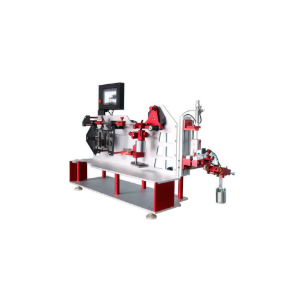
It is used to detect the abrasion condition of the webbing, the micro - displacement performance of the webbing, and the fatigue life of the buckle.
ECE R22.05: Uniform Provisions Concerning the Approval of Protective Helmets and Their Visors for Drivers and Passengers of Motor Cycles and Mopeds
(1)Integrated testing function: Capable of simultaneously testing webbing micro-movement, friction, and buckle fatigue, providing a comprehensive assessment of wear and tear.
(2)High-precision control: Utilizes a hydraulic actuator for displacement output, ensuring high control accuracy and real-time control of the testing process.
(3)Multiple standard compliance: Complies with ECE R22.05 standard requirements, ensuring international recognition of test results.
(4)Wide range of applications: Suitable for abrasion resistance and buckle durability testing of helmet webbing, ensuring the safety and durability of helmets.
| Item | Detail |
|---|---|
| Test Type | Webbing micro shift and webbing abrasion resistance test |
| Stroke | 100mm, 50mm |
| Frequency | 2HZ/each time |
| Oscillation times | 10000 times |
| Weight | 2kg |
(1)Mounting bracket
(2)Webbing clamp
(3)Friction rod
(4)Counterweights, etc.
Experimental Preparation: Develop a detailed experimental plan, prepare test samples according to experimental requirements, and familiarize yourself with the basic operation methods and procedures of the friction and wear testing machine.
Force Sensor Calibration: Before conducting the test, the force sensor should be calibrated. Select the sensor to be calibrated, perform coarse and fine zero adjustments until the friction force and normal force values are zero.
Testing Procedure: Click NEW to create a new file, set the parameters, start the test, record the data, and analyze the results.
Troubleshooting: If the instrument malfunctions, report it immediately to the instrument manager and record the incident in the instrument usage logbook.
Usage Record: Record each use in the instrument usage logbook, filling in all required information.
Site Cleanup: After each experiment, properly shut down the computer and instrument power, and clean up the experimental area.


